BOOSTING FISH STOCK VISIBILITY WITH SATELLITE MONITORING

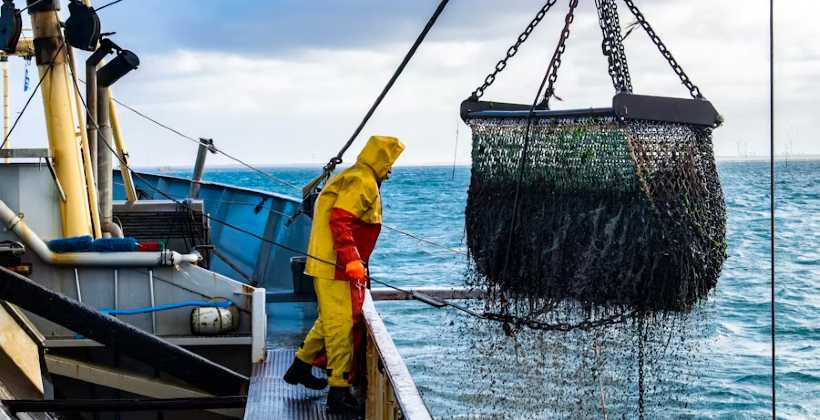
Boosting fish stock visibility with satellite monitoring
By Alastair MacLeod, CEO, Ground Control.
Fish stocks are managed using some of the most sophisticated scientific and regulatory frameworks in the world. Yet despite significant advances in fisheries science, reporting systems and vessel monitoring, many management decisions are still constrained by incomplete visibility of activity at sea. As demands on marine resources continue to grow, improving that visibility is becoming increasingly important to effective fisheries management.
Regulators are expected to set sustainable quotas, enforce increasingly complex rules and protect marine ecosystems across vast maritime areas. The information available to support those decisions, however, is often fragmented across reporting systems, inspections, scientific surveys and historical datasets.
This is not a criticism of existing fisheries management approaches. Stock assessment, catch reporting and vessel inspection have all advanced significantly over recent decades. Fisheries are complex, mobile and often dispersed across vast maritime areas, making comprehensive oversight inherently challenging. No regulator, however well resourced, can rely on occasional inspection or delayed reporting alone and expect to have a complete picture of fishing activity.
Because fisheries management depends on evidence, limitations in visibility can have practical consequences. Quotas, closures, bycatch rules, marine protected areas and enforcement priorities all require reliable information. Where that information is incomplete, decisions become harder to defend, and regulators face criticism from industry if restrictions are seen as excessive, and from environmental groups if action is judged too slow. In both cases, the underlying challenge is often a lack of timely, trusted data.
A growing demand for evidence
Across Europe, that challenge is becoming more visible. France has faced sustained debate around fisheries enforcement, bycatch reduction and the protection of sensitive marine areas. The details are specific to French waters and European regulations, but the wider lesson is international. Governments are being asked to balance food production, conservation obligations and industry confidence while demonstrating that their decisions are based on robust evidence. Meeting that expectation increasingly depends on access to better information, which is why satellite-derived monitoring is becoming an increasingly important part of the picture.
Satellite-derived monitoring enables activity to be observed across large offshore areas where routine inspection is impractical, providing an independent source of information that can be combined with vessel tracking, catch reporting and scientific survey data. Used alongside existing management tools, it helps build a more complete understanding of how fisheries are operating in practice.
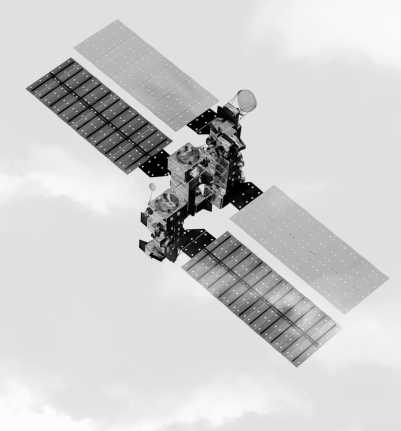 Expanding visibility at sea
Satellite monitoring, vessel tracking, electronic reporting and remote electronic monitoring are changing what fisheries authorities can see and understand. Used effectively, these tools can provide a clearer picture of vessel activity, fishing effort and compliance risk, helping identify patterns that would otherwise be missed and supporting more accurate reporting from sea to shore, but they aren’t a silver bullet to the problem it must be noted.
Satellite-derived intelligence is particularly valuable because it extends visibility beyond areas where physical inspection is practical. Fishing activity can be observed across large offshore regions, helping authorities understand where vessels are operating and how patterns change over time. When this information is combined with logbooks, landing data, scientific surveys and onboard monitoring, it contributes to a more complete evidence base for fisheries management.
The value of these technologies lies not in replacing fisheries scientists, regulators or the expertise of fishermen, but in giving each of them access to better information. A regulator with timely data can target enforcement more proportionately. Scientists working with richer datasets can support stock assessments with greater confidence. Vessel operators that can demonstrate compliance are often better positioned to meet the expectations of customers, certification schemes and supply-chain partners.
Those benefits increasingly extend beyond regulation. Fisheries businesses need management systems that are credible, predictable and fair, while retailers and consumers are seeking greater confidence in how seafood is sourced. Better monitoring and reporting cannot remove uncertainty from fisheries management, but they can improve transparency, strengthen traceability and reduce the risk of decisions being based on incomplete information.
From data to decision-making
None of this means technology is a simple solution. Monitoring systems must be implemented carefully, with clear rules on data use, privacy, cost and accountability. Smaller vessels and coastal fleets may face different practical constraints from large offshore operators. The objective should not be to impose technology for its own sake, but to deploy it where it improves decision-making and strengthens trust.
Fisheries management is often presented as a choice between economic activity and environmental protection. In reality, both depend on the same foundation which is reliable information. Without it, regulators struggle to justify decisions, responsible operators struggle to demonstrate good practice and fish stocks become harder to manage sustainably.
Fish stocks will continue to face pressure from climate change, shifting ocean conditions, market demand and competing uses of marine space. Technology will not remove those pressures, but it can help reduce uncertainty and provide a stronger basis for decision-making.
The fisheries sector already has access to monitoring capabilities that would have been difficult to imagine a generation ago. The challenge now is not whether we can collect better information, but whether we are prepared to use it effectively. Sustainable fisheries depend on good decisions, and good decisions depend on good evidence. Improving visibility across our oceans is no longer simply a technical ambition; it is becoming a management necessity.
About the author
Alastair MacLeod is CEO of Ground Control, a global provider of satellite and hybrid IoT connectivity solutions. He has spent more than 25 years leading technology and data businesses, helping organisations operating in remote and challenging environments use monitoring, communications and data-driven insights to improve operational performance and resource management.
Images: Unsplash