

Building trust in AI for better ocean forecasting. The International Telecommunication Union recently published their ‘AI for Good, Innovate for Impact’ interim report 2026, which features a Plymouth Marine Laboratory (PML)-led […]

Over half of people are unaware of environmental effects of sunscreen, study shows. The research comes at a time when the UK has been basking in stunning summer sunshine for […]

State of the South-West’s Seas 2025 report highlights warming waters and octopus boom. Marine heatwaves, rising sea temperatures and a boom in Common Octopus populations are among the standout findings […]
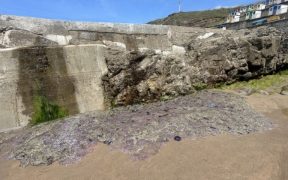
Hundreds of jellyfish wash ashore Southwest beaches – what is causing such large blooms? Following a mass jellyfish stranding witnessed on 2nd July 2026, in Cornwall, Plymouth Marine Laboratory (PML) scientists explain why jellyfish blooms happen, […]

PML scientists contribute to significant UK climate risk assessment, warning of accelerating impacts. Scientists from Plymouth Marine Laboratory (PML) have contributed to the Fourth UK Climate Change Risk Assessment, a […]
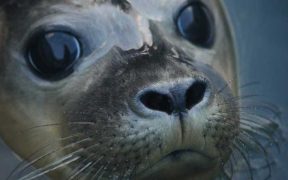
A ‘super’ El Niño has the power to devastate fishing – and leave seals and sea lions starving. Plymouth Marine Laboratory (PML)’s Dr Samantha Garrard has written for The Conversation UK about the growing […]
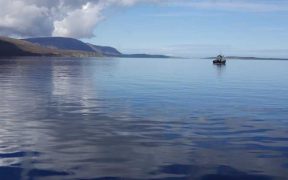
Blueprint for a climate-resilient ocean future: Orkney Islands research points a way forward. The MSPACE report shows how balance can be found between ocean conservation and economic development in a changing climate. A […]

Declining photosynthesis in UK and surrounding waters. A new study by scientists at Plymouth Marine Laboratory (PML) has revealed a significant long-term decline in ocean productivity across large parts of the north-east […]

Five years of Marine Research Plymouth Alliance: driving global impact from the UK. This five-year anniversary underscores the strength and longevity of the partnership and its growing impact on both regional […]
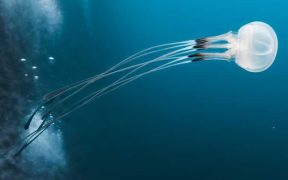
PML scientists contribute to UN ocean assessment warning of compounding threats but also pathways towards a sustainable future. This week the third World Ocean Assessment was launched which includes major contributions by […]

11th Our Ocean Conference 2026. This June will see Kenya will host the 11th Our Ocean Conference, OOC11, marking the first time the conference is held on African soil, bringing […]
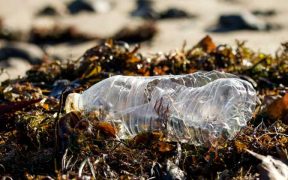
Food and drink litter dominates global plastic pollution. A new study reveals the most common types of marine litter worldwide. Plastic food packaging, caps and lids, and plastic bottles are […]

PML shares marine planning knowledge and tools at Caribbean UNESCO summit. This week a Plymouth marine Laboratory (PML) scientist has been sharing cutting-edge marine spatial planning knowledge and tools with […]
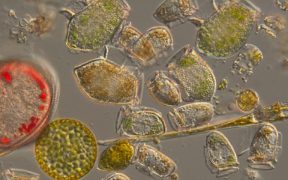
Mapping toxin-producing phytoplankton; the scourge of shellfisheries. Researchers in the UK, including phytoplankton experts from Plymouth Marine Laboratory (PML), have shown how the distributions of two phytoplankton groups, known to […]

PML backs call for safeguards on emerging ocean carbon removal technologies. Plymouth Marine Laboratory (PML) has joined international organisations in backing a new joint statement calling for robust governance, transparency […]
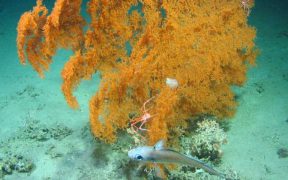
International team of scientists launch Atlantic-wide coral mapping project. Coral Cartography is being formally launched at the All-Atlantic Ocean Research and Innovation Alliance in Brazil. An international team of scientists […]
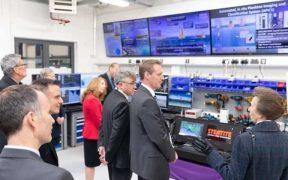
£50 million investment to boost marine innovation and defence capability in Plymouth. PML welcomes the UK Government’s announcement of a £50 million investment to accelerate defence-focused innovation across Plymouth and the Southwest. PML’s Professor James […]

From Treaty to reality: the science the High Seas cannot do without. Following the 3rd BBNJ Symposium in Rio, a new PML-led publication outlines how science can and must underpin its […]
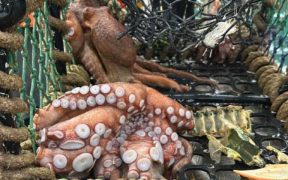
PML project will help predict future octopus blooms. A diverse range of Plymouth Marine Laboratory (PML) researchers have come together to develop a methodology that would help stakeholders – from […]
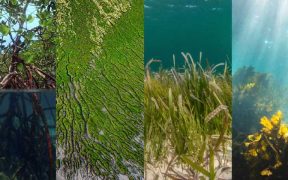
Global study identifies urgent blue carbon priorities in the fight against climate change. Plymouth Marine Laboratory (PML) was among the 15 international institutions working in collaboration. A major new international […]




Fish Focus is an online communications, marketing, news and information platform offering a wide range of services for the seafood sector covering all aspects of aquaculture, commercial fishing, seafood processing and the route to market. Follow us on social media platforms for Fish Focus, Aquaculture Focus and Seafood Focus.


