PRACTICAL CLIMATE ACTION MEASURES FOR IRISH FISHING VESSELS

Practical climate action measures for Irish fishing vessels. A new report from Bord Iascaigh Mhara (BIM) examines how different types of Irish fishing vessels can reduce fuel use and greenhouse gas emissions while maintaining operational flexibility.
A key finding of the report is that there is no single solution for decarbonising the Irish fishing fleet. Vessel size, fishing method, trip length, fuel demand, and operating patterns all influence which technologies or measures are most suitable.
The report identifies practical short-term fuel efficiency measures as the most immediate route to reducing emissions. These include engine and hull maintenance, propeller optimisation, antifouling, digital fuel and energy monitoring, lighter gear, smarter steaming, and improvements to refrigeration and freezing systems.
Ben Dallaghan, carbon expert with the Insights and Strategic Services Unit, BIM, said:
“This report shows that climate action in sea fishing must be practical, vessel-specific and commercially realistic.”
“There are clear opportunities to reduce fuel use and emissions now through efficiency measures, while preparing for future fuels and propulsion systems as technology and infrastructure develop.
“Alternative fuels may be a short-term option for some vessels with electric and hybrid engines presenting a medium-term route to emission reduction, especially for the inshore fleet. Hydrogen technology offers a potential decarbonising pathway for the longer term, and has potential in a new-build vessel context for both inshore and offshore sectors. However, the uptake of new technologies will be dependent on regulatory, financial and infrastructural factors.”
Several reference vessels are already using efficiency measures to cut fuel use, including larger and better-pitched propellers, fuel meters, lower steaming speeds, lighter gear, hull antifouling and advanced energy monitoring systems. The report highlights the value of sharing these practical experiences across the wider sea fishing and aquaculture fleets.
Dr Emmet Jackson, Director of Insights and Strategic Services, BIM, said:
“The Climate Action in Sea Fishing report is part of BIM’s ongoing work to understand carbon emissions in seafood supply chains and assess the potential of decarbonising technologies for Irish sea fishing.
“BIM wishes to thank the skippers who volunteered to take part in this project for sharing their time, vessel data and insights, which were central to the development of the report.”
The full report, Climate Action in Sea Fishing, is available on the BIM website.
Following on from the above project, BIM is currently updating its 2009 Improving Fuel Efficiency on Fishing Vessels Guide which will be available on bim.ie later this year. The guide will document innovations and fuel efficiency gains related to vessel technology and operations.
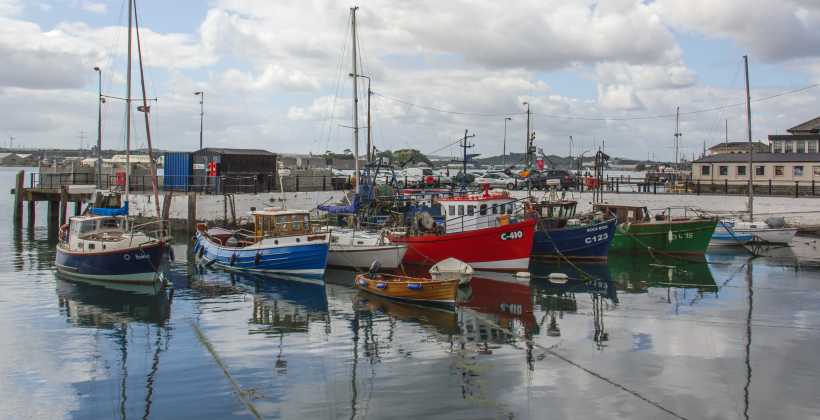
Image by wagrati_photo from Pixabay