SFPA ISSUES REMINDER TO RECREATIONAL FISHERS

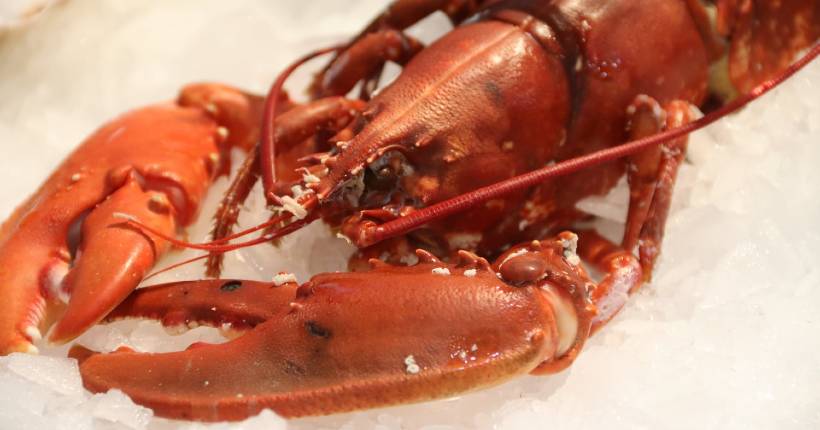
SFPA issues reminder to recreational fishers on regulations regarding Crab and Lobster fishing
With the good weather and recreational fishing, also referred to as non-commercial fishing, taking place in coastal areas around Ireland, the Sea-Fisheries Protection Authority (SFPA), the regulator for sea-fisheries and sea-food production is reminding all recreational fishers of the importance of complying with the regulations pertaining to the catching, selling, and buying of crabs and lobsters. It is also calling on all who purchase fish and in particular those in the restaurant trade to ensure that they purchase fish from legitimate sources only. They cannot purchase from recreational non-commercial fishers.
It is important that all who are partaking in recreational fishing adhere to the regulations which are in place to protect the marine ecosystem and safeguard Ireland’s marine resources for future generations. Whilst certain activities are allowed without a commercial license, there are limits in terms of quantities, and usage of fish. All such fish must comply with the general conservation requirements applicable to both commercial and recreational fishing. Please see recently published Fisheries Information Notice 05/2025 – Non-Commercial Pot Fishing in Ireland.
Under EU and national legislation, recreational or non-commercial fishers who do not have a commercial fishing licence are restricted to doing no more than the following in pot fisheries:
- Fish for lobster and crab with pots from 1st May to 30th September only every year.
- Fish up to six pots (i.e., a maximum of 6 pots associated with their boat either in the water or on board at any time).
- Retain up to five crabs and one lobster daily.
- Eat their catch themselves or share with their immediate family – they cannot sell or offer for sale any catches (a commercial fishing license is needed to sell fish).
- Never retain a lobster that has been V-notched or has a mutilated tail – they must be released back into the water.
- Never store crab or lobster in the sea if the claws are nicked or banded.
- Never catch crabs or lobster by means of skin-diving, which includes using apparatus of any kind which enables a person to breathe under water.
Paschal Hayes, Executive Chairperson of the SFPA said:
“We are encouraging the public and particularly all who are involved in recreational fishing and including those who are taking it up for the first time this summer to please familiarise themselves with the regulations pertaining to crab and lobster fishing. We are privileged to enjoy a plentiful supply of fish stocks such as mackerel, crab, lobster, and others such as clams, mussels, and periwinkles around our coastlines. It is critically important that we all work to ensure that we preserve the health of our marine ecosystems and safeguard our marine resources for future generations. Critical to this is following the regulations which prioritize sustainability and are in place to ensure the viability of our sea-fisheries.
We are also reminding all recreational fishers, of the allowance applicable under the regulations which facilitates the catch for personal use only and not for resale. Further to this, I would appeal to the public to ensure that they only purchase seafood from legitimate sources which are those that are legally entitled to supply and sell sea-fisheries products on a commercial basis. This is vitally important. Purchasing illegally caught fish means your food comes outside of systems designed to ensure future sustainability and may present a risk to public health and risks damaging the positive reputation regarding the quality and authenticity of Ireland’s seafood. As we move into the summer season, it is important that we all play our part and ensure that sustainability and the safety of sea-fisheries products is at the forefront of all fishing activities.”
If you have any concerns regarding fisheries control, seafood fraud and/ or seafood safety please contact the SFPA through our Confidential Line channels. Call our Confidential Line on 1800 76 76 76. Alternatively, complete our Confidential Report form.
Main Image © Seafish