THE NATURE CONSERVANCY TARGETS HIGH SEAS PROTECTION AT SCALE

The Nature Conservancy targets High Seas Protection at scale with Our Ocean Conference commitment. The Nature Conservancy is advancing a new commitment to support the first generation of marine protected areas in international waters. The effort brings together science, policy, and partnerships to help deliver durable protection in the high seas. TNC is calling for continued ratification of the High Seas Treaty and increased financing to turn global ambition into action.
The Nature Conservancy (TNC) has submitted a new commitment to support the development and early implementation of the first generation of high seas marine protected areas (MPAs). TNC is calling for continued ratification of the High Seas Treaty and increased financing to turn global ambition into action.
Through this commitment, TNC will work in collaboration with governments and partners to advance up to five high seas MPA proposals by 2030, protecting a further 200 million hectares of ocean. The effort will provide scientific, technical, and policy support to ensure these areas are grounded in the best available science, designed for long-term effectiveness, and aligned with existing ocean governance frameworks.
“Our Ocean Conference has always been about turning ambition into action,” said Andreas Hansen, senior director for policy at TNC. “With the High Seas Treaty, we have the policy foundation to protect biodiversity beyond national jurisdiction. The priority now is clear. Countries must continue to ratify the treaty and work together to move quickly toward implementation. High seas marine protected areas are one of the most powerful tools we have to deliver against the global target to protect 30% of the ocean by 2030.”
Covering nearly two-thirds of the ocean, the high seas are critical to global biodiversity, climate regulation, and food systems, yet remain among the least protected areas on Earth.
“Protecting the high seas is essential to achieving global biodiversity and climate goals,” said Emily Owen, global director, ocean protection at TNC. “These waters sustain migratory species, support ocean health, and underpin livelihoods around the world. By working with partners to design and deliver the first generation of high seas MPAs, we can help secure lasting protection where it matters most.”
TNC’s commitment focuses on supporting country-led, partner-driven efforts to bring forward proposals that are ecologically representative, backed by strong science, and designed with durable governance in mind. In parallel, TNC will work with partners to advance the enabling conditions for long-term success, including financing, monitoring, compliance, and marine spatial planning systems that support effective protection over time.
As part of its engagement at the Our Ocean Conference, TNC is calling for accelerated action to implement the High Seas Treaty. This includes continued ratification by governments, stronger coordination across regions and institutions, and increased financing to support the design, designation, and long-term management of high seas MPAs.
“At the Our Ocean Conference in Mombasa, one message is clear: Africa has a critical role to play in leading the global ocean agenda and accelerating progress from ambition to delivery,” said Ademola Ajagbe, Regional Managing Director, Africa at TNC. “The high seas are our planet’s largest shared biome, vital for biodiversity, climate stability, food security, livelihoods, and resilient blue economies. With the High Seas Treaty now providing a clear pathway for action, The Nature Conservancy is committed to supporting the development and early implementation of the first generation of high seas marine protected areas by 2030. Africa’s leadership will be essential to turning agreement into protection, and protection into lasting impact for people and nature.”
By combining science, policy, and on-the-ground implementation with strong global partnerships, TNC aims to help ensure that commitments translate into durable conservation outcomes in the world’s largest shared ecosystem.
For more information, visit: www.nature.org/highseas
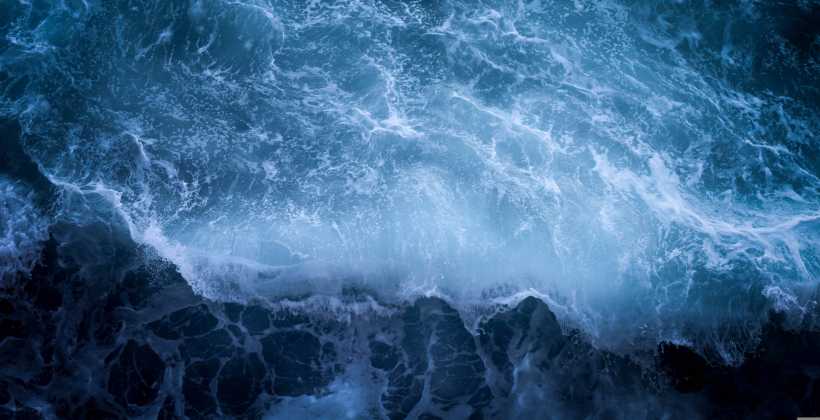
Image: Pexels from Pixabay