UN REPORT HIGHLIGHTS VITAL ROLE OF THE DEEP SEA

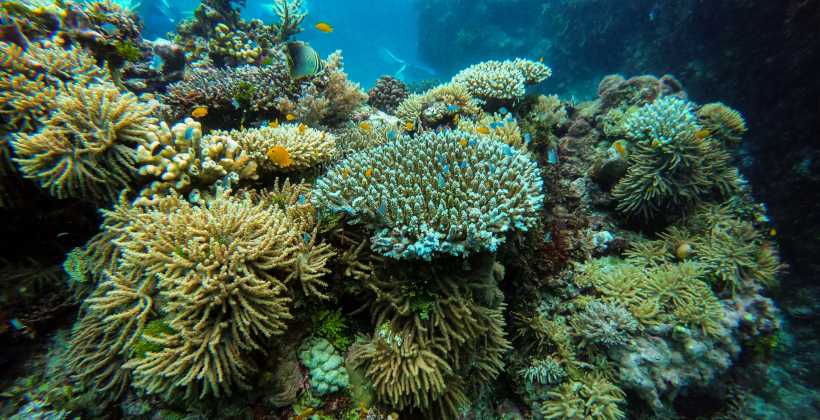
UN Report highlights vital role of the deep sea and the devastation of bottom trawling on seamounts. Released on World Ocean Day, the United Nations’ Third World Ocean Assessment paints a stark picture of a deep ocean vital to planetary survival but under siege from industrial pressure and the impacts of the climate crisis.
The assessment explicitly exposes the devastating footprint of commercial fishing, identifying bottom trawling as “the most significant human activity on continental margins and in canyons.” The UN warns that the practice leads to the permanent “unsealed disappearance” of the natural seafloor, a finding that builds upon the Second World Ocean Assessment, which previously named bottom trawling the “greatest current threat to seamount ecosystems.” Yet, despite these findings, the report highlights that the Northwest Atlantic Fisheries Organisation (NAFO) stands alone as the sole regional fisheries management organisation to have prohibited bottom-contact fishing on seamounts across its regulatory area.
Bronwen Golder, Deep Sea Conservation Coalition (DSCC) Global Seamounts Campaign Director, emphasised that science must finally dictate policy:
“The reality is that we are discovering more about these ecosystems every day, and with every piece of new knowledge we gain, the case against bottom trawling on seamounts becomes more damning. Governments must now commit to phasing out bottom trawling on seamounts – a destructive, antiquated practice that has no place in our ocean in 2026.”
Seamounts are biodiversity hotspots in our ocean, towering underwater mountains supporting ancient corals, sponges, and unique marine species found nowhere else on Earth. An upcoming UN review of high-seas bottom fisheries presents an urgent, unmissable opportunity for governments to take action to protect these vital ocean lifelines. The DSCC is urging governments to use this moment to lock in a binding deadline to protect seamounts and transition away from bottom trawling on seamounts and other vulnerable deep-sea ecosystems by the end of 2027.
DSCC Executive Director, Sian Owen, commented:
“This new report confirms that the deep ocean is an essential life-support system for our planet, yet remains a major knowledge gap. Erasing ancient, vulnerable ecosystems that sustain the health of our global ocean before we’ve even had the chance to explore them would represent a catastrophic failure of global governance. We can do better.”
About the DSCC: The Deep Sea Conservation Coalition (DSCC) is made up of more than 130 non-governmental organisations (NGOs), fishers’ associations, and law and policy institutes worldwide, working together to ensure the protection of vulnerable deep-sea ecosystems.
Photo by Daniel Pelaez Duque on Unsplash