ASC RESPONDS TO U.S. SENATE INQUIRY

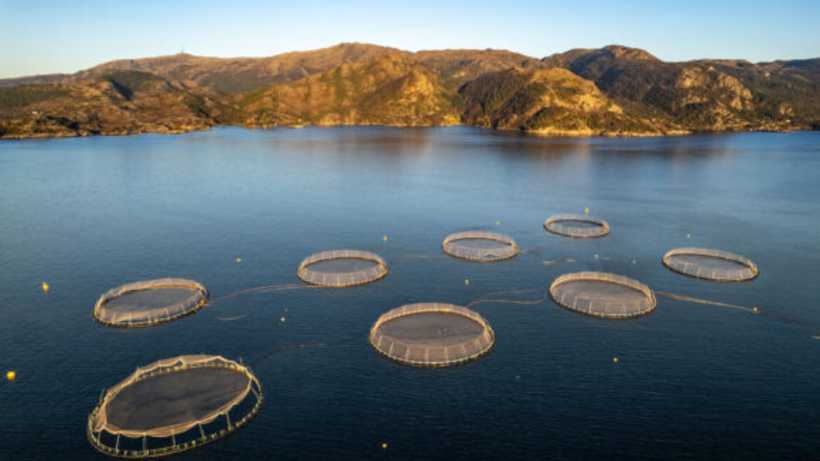
ASC responds to U.S. Senate Inquiry, highlighting transparent and independent assurance of the ASC Programme. Aquaculture Stewardship Council (ASC) has responded to the U.S. Senate Health, Education, Labour and Pensions (HELP) Committee, outlining the robustness of its certification system, which is built on stringent standards, independent third-party audits, full supply chain traceability, and public transparency to provide credible assurance for certified seafood products.
ASC-certified products are available in markets worldwide, including the United States, which is a strongly growing market for ASC, and provide assurance to retailers and consumers that seafood has been produced in accordance with ASC requirements.
As outlined in the response sent to the US Senate Committee, ASC is an environmental and social aquaculture certification and labelling programme that operates through rigorous standards, independent third-party audits, accreditation oversight, public transparency, traceability requirements, and continuous improvement mechanisms.
While ASC is not a food safety certification scheme or regulatory authority, the programme includes requirements related to legal compliance, supply chain integrity, antibiotic stewardship, social responsibility, and independent assurance that provide measurable oversight of certified operations and transparency throughout the seafood supply chain.
ASC takes concerns relating to imported seafood seriously and actively monitors regulatory alerts and other credible reports relating to ASC-certified entities and supply chains. As noted in this response, no ASC-labelled shrimp products were implicated in the FDA’s 2025 Cesium-137 contamination alerts relating to imported shrimp. While food safety oversight remains the responsibility of regulators and food safety certification systems, ASC requirements for traceability, supply chain integrity, veterinary medicine controls, transparency, and independent assurance provide additional safeguards and accountability mechanisms throughout the supply chain.
ASC’s Robust Programme Assurance
ASC standards are developed through a structured, multi-stakeholder process that brings together producers, industry representatives, non-governmental organisations, academics, regulators, and other stakeholders. This process includes formal public consultations and targeted engagement to ensure that standards reflect a wide range of expertise and perspectives and are not driven by any single interest group.
At the core of the ASC programme are transparency, accountability, and consumer trust. ASC standards set measurable requirements across environmental performance, social responsibility, and animal welfare. Compliance with these requirements is verified through independent third-party audits conducted by accredited certification bodies. Independence is embedded throughout ASC’s governance and assurance systems to safeguard impartiality and prevent conflicts of interest.
Together, these elements ensure that ASC operates a robust, independent, and transparent certification system that supports responsible aquaculture practices and provides credible assurance to markets, stakeholders, and consumers globally.
ASC’s full response to the U.S. Senate HELP Committee can be found here.
Image: ASC