REAL-TIME CLOSURE INTRODUCED EAST OF FAIR ISLE AMID HIGH COD ABUNDANCE

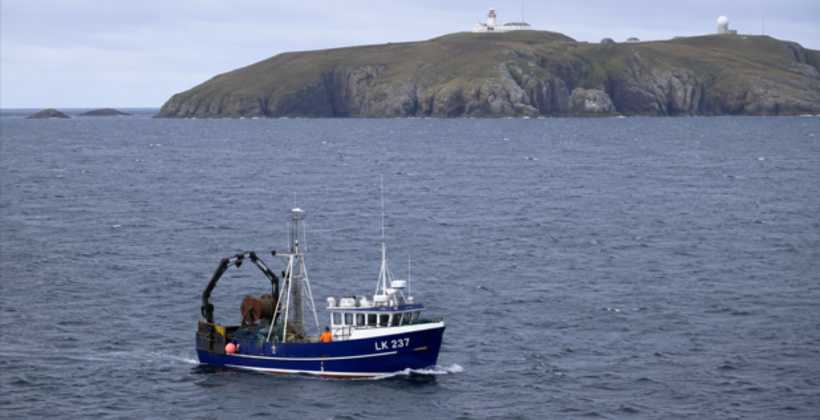
Real-time closure introduced east of Fair Isle amid high cod abundance. The Scottish Government’s Marine Directorate introduced a real-time closure (RTC) zone east of Fair Isle, yesterday, after inspections at sea found a high abundance of cod, according to an article in yesterdays’ Shetland times.
Under the North Sea Cod Avoidance Plan, RTCs can be introduced when the number of cod caught per hour exceeds a specified threshold during at-sea inspections.
The plan aimed to support the recovery of the North Sea cod stock while helping the fishing industry manage its quota in line with reduced catch limits.
The closure covered an area of approximately 15 square nautical miles. However, a small section of the zone that extends into the 12-nautical-mile coastal limit was exempt.
The Northern Shelf cod quota was reduced by 44 per cent this year following negotiations between the UK, EU and Norway.
Although the decision avoided the zero-catch limit recommended by scientists, it has prompted considerable concern within the fishing industry.
The Shetland Fishermen’s Association has questioned whether the current RTC system is “necessary, fair or proportionate”.
Last week, the association’s executive officer, Daniel Lawson, attributed the reduced quota to a significant fall in the value of landings at Lerwick Port during the first six months of the year.
Official Marine Management Organisation figures showed that landings at Lerwick fell by 31 per cent in the first half of this year compared with the same period in 2025.
Speaking to Fishing News, Mr Lawson said it was “perfectly plausible and legitimate” for vessels with the appropriate quota holdings to target cod for all or part of the year.
He said the current RTC mechanisms could “needlessly interrupt this sustainable fishing activity” and prevent vessels from achieving an efficient economic return.
However, Mr Lawson said Shetland fishermen recognised that RTCs could remain in place, provided the criteria used to trigger them were reviewed.
“In particular, we would propose that the current trigger – the number of cod caught per hour, regardless of size, numbering 80 or more, based on the entire haul – be changed to the number of cod below the existing minimum conservation reference size for the species (35cm),” he said.
“We believe this would retain RTCs as a tool in the interest of protecting the cod stock, whilst also allowing legitimate and sustainable cod fishing to continue.”
Image: Chat GPT