GINKGO BIOWORKS IN NEW PARTNERSHIP WITH AQUA CULTURED FOODS

Ginkgo Bioworks in new partnership with AQUA Cultured Foods
AQUA Cultured Foods has chosen Ginkgo Bioworks to help optimise its innovative fermentation technology to elevate the quality of its fish-free seafood products that authentically replicate the look, feel, and taste of fresh-caught seafood. Leveraging Ginkgo’s microbial characterisation and analytics, along with AQUA’s proprietary strains and processes, the partners aim to transform the future of alt-seafood production.
AQUA is a leader in the alternative seafood industry, delivering products with the texture, taste, and appearance of fresh-caught seafood filets, without using any fish or animal inputs.
- Their debut offerings, tuna, and scallops, maintain freshness and tenderness for six weeks.
- Powered by a patent-pending fermentation process, which can be scaled on a global level, AQUA’s fish-free seafood is made from microbes and fibres combined with plant-derived flavours that replicate the buttery texture and umami notes found in fresh-caught seafood.
- Unlike traditional seafood, AQUA’s products contain no contaminants, antibiotics, allergens, cholesterol or saturated fats, and can be consumed and enjoyed by those with diverse dietary needs, including pregnant women and those with shellfish allergies.
The AQUA team uses a consortium of microbes that work synergistically to make its appetising and affordable products.
Ginkgo will leverage its high throughput next-generation sequencing and advanced analytics services to help optimise and tune AQUA’s strains to aid in the scale-up of their novel manufacturing process. With Ginkgo, AQUA hopes to amplify its R&D capabilities and further optimise its consortium to establish consistent, high-quality products.
Through this, AQUA envisions a future where its proprietary microbe consortium can be used to produce not just whole-cut and ground alt-seafood products, but also introduce unique flavours and textures to the broader food industry.
This inaugural partnership paves the way for future projects leveraging Ginkgo’s strain engineering capabilities as well.
AQUA’s fermentation process provides an alternative to fishing and fish farming.
Research shows that there are serious health risks associated with eating both wild-caught seafood from the ocean and farmed fish. The U.S. Environmental Protection Agency states that contaminated fish are a persistent source of toxic polychlorinated biphenyls (PCBs) and mercury in the human diet. Eating farmed fish comes with the added risk of consuming antibiotics and pesticides.
Both the fishing and fish farming industries cause detrimental environmental damage. Wild fisheries have been depleted worldwide, causing scientists to fear their impending collapse. Industrial fishing practices, such as bottom trawling and long-lining, affect endangered animals such as sea turtles, dolphins, and whales. Untreated waste from farmed fish — including excess feed, decomposing fish, excrement, and chemical residue — can pollute waterways and create toxic algal blooms that kill wild aquatic life. AQUA is confident that its products deliver the experience of eating seafood without the health or environmental risks associated with traditional seafood.
Stefan Baier, chief science officer of Aqua Cultured Foods said: “Today marks a significant step towards revolutionising alternative seafood production. AQUA’s commitment to sustainable seafood aligns with Ginkgo’s dedication to innovation. Our partnership aims to accelerate our technology, bringing our delicious products to market faster. With Ginkgo’s expertise in working with microbes, we are confident in optimising and applying our technology to create the most delicious seafood products possible. Beyond sequencing, we envision engineering our proprietary consortium for next-gen products, pushing alt-seafood boundaries with unique textures and building the nutrition beyond a good source of fibre. We look forward to how our sustainable approach can revolutionise the fishing industry and contribute to the regeneration of our oceans.”
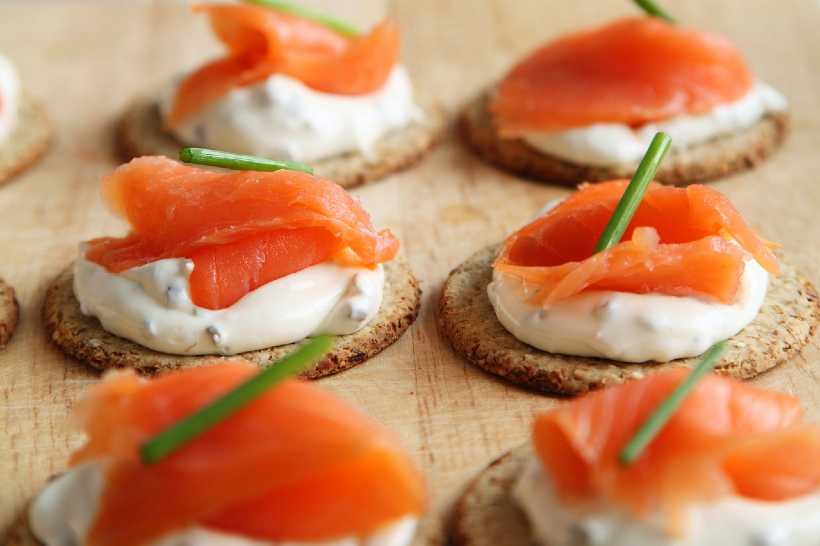
Image for illustration purposes only