Type to search

Marine Science

OLD OFFSHORE PLATFORMS MAY SUPPORT MARINE ECOSYSTEMS AS “ARTIFICIAL REEFS”

OLD OFFSHORE PLATFORMS MAY SUPPORT MARINE ECOSYSTEMS

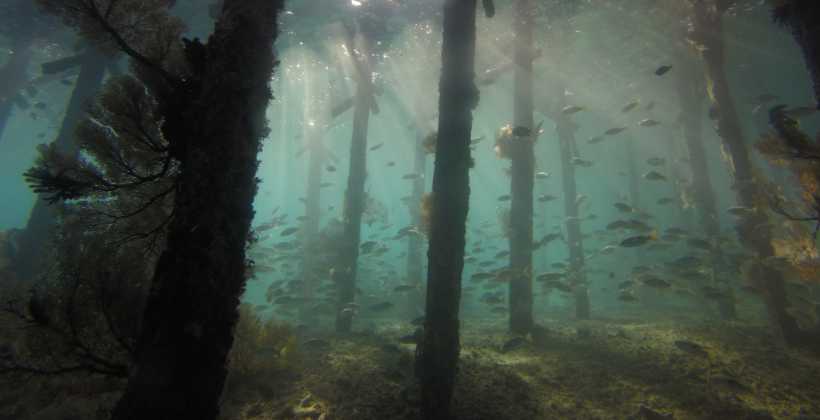
Old offshore platforms may support marine ecosystems as “artificial reefs”. A new report has found that old offshore platforms can help support marine ecosystems by acting as “artificial reefs”, although experts say decisions about whether structures should remain in place must be made individually for each site.

The study, carried out by researchers from the University of Aberdeen, the National Decommissioning Centre, the Scottish Association for Marine Science (SAMS) and Daryl Burdon Ltd, examined how offshore energy infrastructure — including oil and gas platforms and wind turbines — influences marine life.

Researchers concluded that a structure’s age and location are key factors in determining whether it benefits or harms the surrounding ecosystem. While construction activities can initially place stress on the environment, older structures may gradually develop into reef-like habitats that increase biodiversity, attract marine tourism, support fish populations and improve nutrient cycling.

Lead author Megan Squire said the findings demonstrate that offshore structures can play an important role in the marine environment beyond energy production. She added that the potential value of these installations as artificial reefs should be considered when developing North Sea decommissioning policies.

The report also supports the argument for leaving some long-standing structures in place, including the legs of Shell’s Brent field platforms.

Shell removed the topsides of the four Brent platforms between 2017 and 2021, beginning with Delta and ending with Charlie. However, the company has proposed leaving the gravity-based legs of Bravo, Charlie and Delta in the sea, while a similar exemption for Alpha was approved in 2020.

According to Shell, removing the massive structures would create significant safety and environmental risks that outweigh the benefits of full removal. Climate campaigners, however, have criticised the proposal, describing the structures and remaining oil residues as hazardous waste.

The report concludes that some offshore structures may be worth preserving because of the habitats and species they support, but emphasises that every decommissioning decision should be assessed on a case-by-case basis.

Image: Pixabay
Tags