RECORD MUSSEL OUTPUT MARKS SCOTTISH SHELLFISH INDUSTRY’S 2024 PERFORMANCE

Record Mussel Output Marks Scottish Shellfish Industry’s 2024 Performance
Scotland’s shellfish farming sector reached a significant milestone in 2024, according to the newly published Scottish Shellfish Farm Production Survey. The report, released as part of Scotland’s Official Statistics publications, presents detailed data on employment, production volumes, and the economic value of farmed shellfish across the country.
Tracking production trends for key species—including common mussels, Pacific oysters, native oysters, and king scallops—the survey reflects both progress and pressures across the sector over a 10-year period from 2015 to 2024.
Key Highlights from 2024
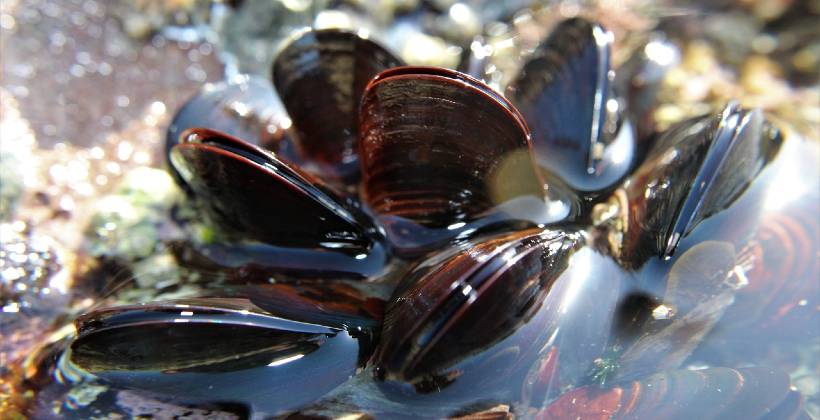
- Record Mussel Harvest: Scotland achieved its highest-ever common mussel production, with 11,690 tonnes harvested for the table market—a 13% increase on the previous year.
- Oyster Output Decline: Pacific oyster production dropped by 38%, down to 2.4 million shells, primarily due to the closure of a major producer in the Highland region.
- Native Oyster Recovery: Native oyster output rose sharply by 53%, increasing from 111,000 to 170,000 shells.
- Scallop Variations: King scallop production fell slightly by 4%, down to 23,000 shells, while queen scallop figures could not be reported due to insufficient data.
- Spat Settlement Surge: The number of mussel sites with successful spat settlement jumped by 80%, from 54 in 2023 to 97 in 2024—an encouraging indicator for future yields.
Employment and Economic Value
The shellfish farming sector employed 241 staff in full-time, part-time, and casual roles in 2024—a 2% decrease from the previous year. The estimated first-sale value of the industry was approximately £14 million, reflecting a modest 1% decline from 2023.
Health & Biosecurity Measures
As part of ongoing health surveillance, 120 out of 283 active farm sites were inspected under a risk-based programme managed by the Marine Directorate’s Fish Health Inspectorate. Although Great Britain retains disease-free status for Bonamia ostreae, Marteilia refringens, and ostreid herpesvirus-1 µvar (OsHV-1 µvar), movement restrictions remain in place in several areas:
- Loch Sunart and Dornoch Firth (Highland region)
- West Loch Tarbert, Lynn of Lorne, Loch Creran, and Loch Etive (Strathclyde region)
Farmers are reminded of their obligation to report any sudden, unexplained mortalities to the Fish Health Inspectorate immediately.
About the Survey
The data behind the survey is compiled directly from authorised Scottish shellfish farming operations. It plays a key role in informing industry stakeholders, policymakers, and researchers about trends and challenges in Scotland’s growing aquaculture sector.
For further details, access the full report at: Scottish Shellfish Farm Survey 2024 – gov.scot